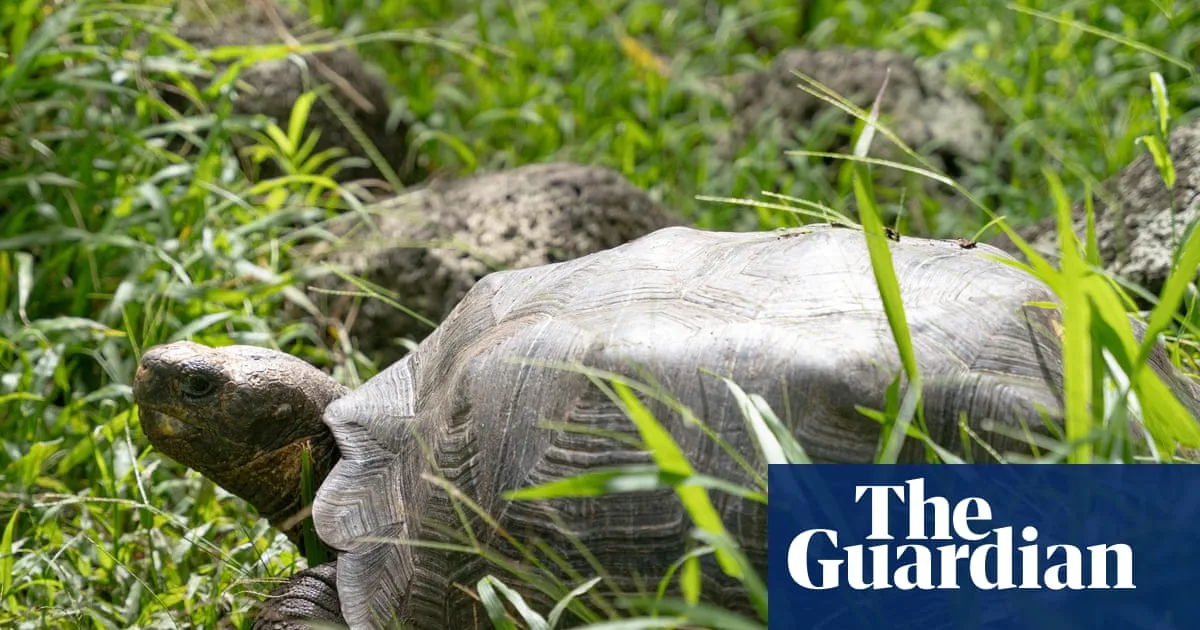
158 Giant Tortoises Reintroduced to Galápagos' Floreana Island After Nearly 200 Years
In Brief
Juvenile Floreana giant tortoises were released on the island after extinction caused by 19th-century whalers.
Key Facts
- The Floreana giant tortoise subspecies was driven to extinction in the 1800s by whalers and sailors
- 158 captive-bred juvenile Floreana giant tortoises were reintroduced to Floreana Island in the Galápagos
- The reintroduction follows a 'back breeding' program using partial descendants of the extinct subspecies
- Floreana giant tortoises are considered ecosystem engineers vital to the island's environment
- The reintroduction marks the first time in nearly two centuries that the tortoises have been on Floreana Island
What Happened
After being driven to extinction in the 19th century by whalers and sailors, the Floreana giant tortoise subspecies has been reintroduced to Floreana Island in the Galápagos. A total of 158 captive-bred juvenile tortoises, bred through a back breeding program using partial descendants, were released on the island, marking the return of this native species after almost 200 years.
Why It Matters
The return of the Floreana giant tortoise is significant for restoring the island's ecosystem, as these tortoises play a key role as ecosystem engineers. Their presence can help revive ecological processes and biodiversity on Floreana Island, contributing to conservation efforts in the Galápagos. This reintroduction also demonstrates the potential of breeding programs to recover species once considered extinct.
Sources
- The Guardian — Floreana giant tortoise reintroduced to Galápagos island after almost 200 years
- Al Jazeera — Giant tortoises return to Galapagos island after 150 years
- BBC World — Giant tortoises return to Galápagos island after nearly 200 years
- BBC World — Giant tortoises return to Galápagos island after nearly 200 years