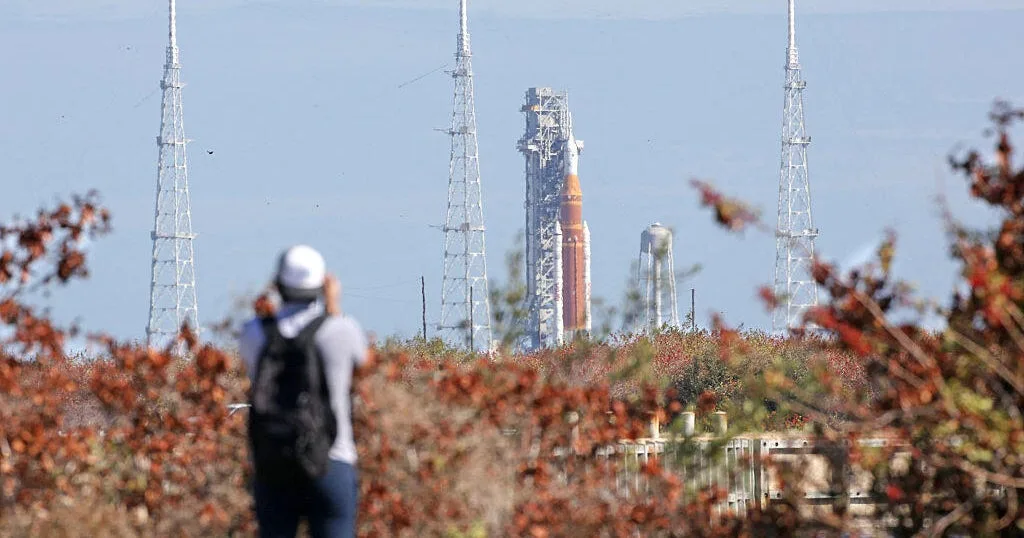
NASA's Artemis II Moon Mission Delayed Due to Rocket Helium Flow Issue
In Brief
NASA's Artemis II mission to orbit the Moon is delayed after a helium flow problem was found in the rocket.
Key Facts
- The Artemis II mission aims to send four astronauts around the far side of the Moon and back
- Astronauts scheduled for the mission are Reid Wiseman, Victor Glover, Christina Koch, and Canadian Jeremy Hansen
- An interrupted helium flow to the rocket's upper stage was detected, prompting concerns
- NASA plans to roll back the Artemis II rocket and Orion spacecraft to the Vehicle Assembly Building for repairs
- The launch, initially targeted for March 6, is now expected to be postponed to April
What Happened
NASA discovered an interruption in the helium flow to the upper stage of the Artemis II rocket, which may require removing the rocket from the launchpad for repairs. This issue has led to a delay in the mission, which was originally scheduled for March 6. The agency is taking steps to roll back the rocket and spacecraft to the Vehicle Assembly Building at Kennedy Space Center for further inspection and fixes.
Why It Matters
The Artemis II mission is a key step in NASA's plans to return humans to the Moon and eventually support deeper space exploration. Delays impact NASA's timeline for crewed lunar missions and could affect international partnerships, including the involvement of Canadian astronaut Jeremy Hansen. Addressing technical issues ensures mission safety and success but also influences scheduling and resource allocation.
Sources
- CBS News — NASA's moon rocket hit by new problem expected to bump flight to April
- NYT — Problem With Artemis Rocket Is Likely to Delay NASA’s Moon Mission
- BBC News — Nasa astronauts' moon mission likely to be delayed due to rocket issue
- The Guardian — Nasa may roll back Artemis II rocket launch after helium flow discovery